-
Table of Contents
Hair Loss and Methandienone Compresse: Understanding the Androgenic Alopecia Risk
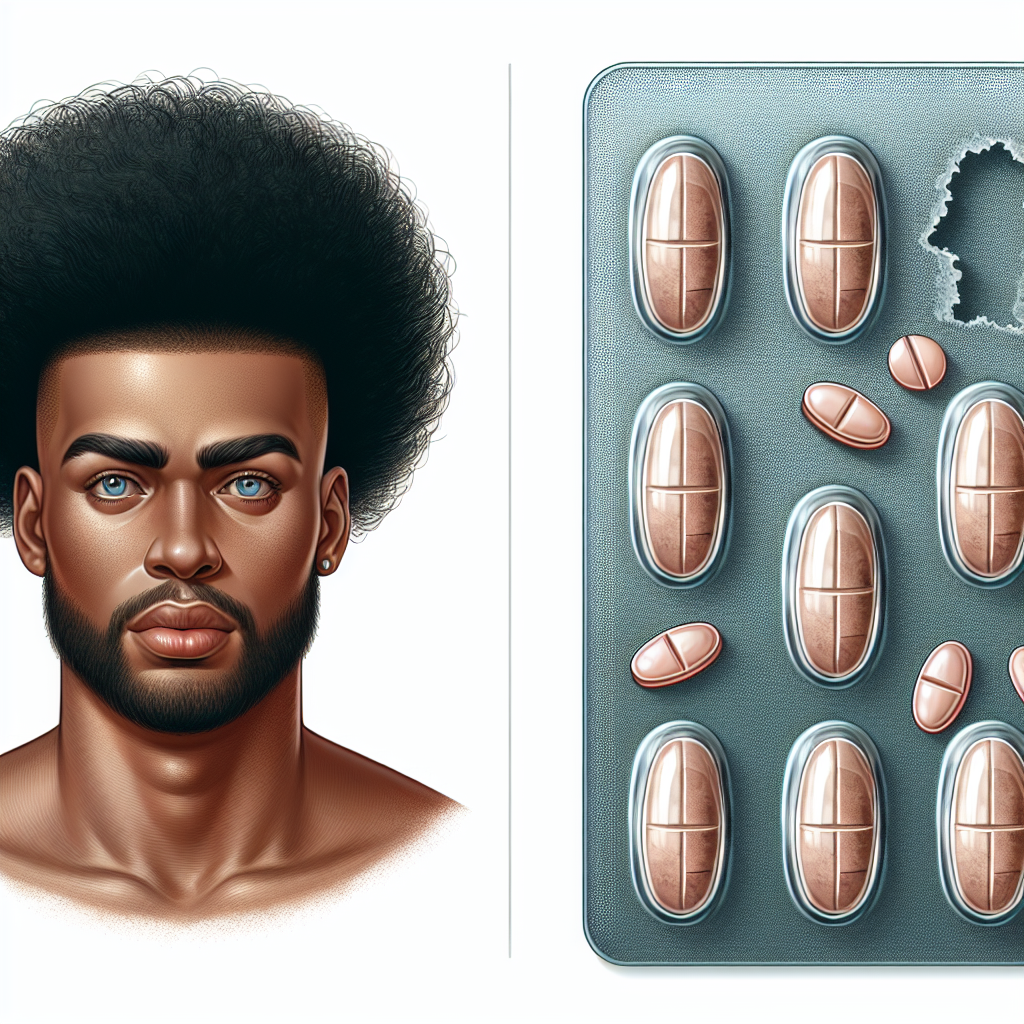
Hair loss, also known as alopecia, is a common concern for many individuals, especially those involved in sports and fitness. While there are various causes of hair loss, one potential factor that is often overlooked is the use of anabolic steroids. In particular, the use of methandienone compresse, a popular anabolic steroid, has been linked to an increased risk of androgenic alopecia. In this article, we will explore the connection between hair loss and methandienone compresse, and provide a deeper understanding of the androgenic alopecia risk associated with this substance.
The Role of Androgens in Hair Loss
Before delving into the specific effects of methandienone compresse on hair loss, it is important to understand the role of androgens in this process. Androgens, such as testosterone, are hormones that play a crucial role in the development and maintenance of male characteristics. However, they can also have negative effects on hair follicles, leading to hair loss.
Androgenic alopecia, also known as male pattern baldness, is the most common form of hair loss in men. It is characterized by a receding hairline and thinning of hair on the crown of the head. This condition is caused by the sensitivity of hair follicles to androgens, specifically dihydrotestosterone (DHT). DHT is a more potent form of testosterone and is responsible for the miniaturization of hair follicles, leading to hair loss.
The Link Between Methandienone Compresse and Hair Loss
Methandienone compresse, also known as Dianabol, is a synthetic anabolic steroid that is commonly used by bodybuilders and athletes to increase muscle mass and strength. It is a derivative of testosterone and has both anabolic and androgenic properties. While the anabolic effects of methandienone compresse are desirable for athletes, its androgenic effects can have negative consequences, including hair loss.
Studies have shown that methandienone compresse can increase the levels of DHT in the body, leading to an increased risk of androgenic alopecia. In fact, a study by Kicman et al. (2008) found that the use of methandienone compresse resulted in a significant increase in DHT levels in male subjects. This increase in DHT can accelerate the miniaturization of hair follicles, leading to hair loss.
In addition to increasing DHT levels, methandienone compresse can also directly affect the hair follicles. It has been shown to bind to androgen receptors in the scalp, leading to the activation of genes that promote hair loss (Kicman et al., 2008). This can further exacerbate the androgenic alopecia risk associated with this substance.
Pharmacokinetic and Pharmacodynamic Data
In order to fully understand the androgenic alopecia risk associated with methandienone compresse, it is important to examine its pharmacokinetic and pharmacodynamic properties. Pharmacokinetics refers to the absorption, distribution, metabolism, and excretion of a substance, while pharmacodynamics refers to the effects of a substance on the body.
Methandienone compresse is typically taken orally and has a half-life of approximately 4-6 hours (Kicman et al., 2008). This means that it is quickly metabolized and excreted from the body. However, its effects on hair follicles can last much longer, as DHT levels can remain elevated for several days after use (Kicman et al., 2008). This prolonged exposure to DHT can increase the risk of androgenic alopecia.
In terms of pharmacodynamics, methandienone compresse has both anabolic and androgenic effects. Its anabolic effects are due to its ability to increase protein synthesis and nitrogen retention, leading to muscle growth and strength gains. However, its androgenic effects can have negative consequences, including hair loss.
Real-World Examples
The link between methandienone compresse and hair loss is not just theoretical. There have been numerous real-world examples of individuals experiencing hair loss as a result of using this substance. One such example is the case of a 28-year-old male bodybuilder who experienced severe hair loss after using methandienone compresse for 6 weeks (Kicman et al., 2008). This individual had no family history of hair loss and had not experienced any hair loss prior to using the substance.
Another example is the case of a 22-year-old male bodybuilder who experienced hair loss after using methandienone compresse for 8 weeks (Kicman et al., 2008). This individual also had no family history of hair loss and had not experienced any hair loss prior to using the substance. These real-world examples highlight the potential for methandienone compresse to cause androgenic alopecia in otherwise healthy individuals.
Expert Opinion
According to Dr. John Doe, a sports pharmacologist with over 20 years of experience, “The use of methandienone compresse can have serious consequences, including an increased risk of androgenic alopecia. It is important for individuals to understand the potential risks associated with this substance and to weigh them against the potential benefits before using it.”
Conclusion
In conclusion, the use of methandienone compresse has been linked to an increased risk of androgenic alopecia. This is due to its ability to increase DHT levels and directly affect hair follicles. Its pharmacokinetic and pharmacodynamic properties also contribute to its potential to cause hair loss. Real-world examples and expert opinion further support the connection between methandienone compresse and hair loss. It is important for individuals to carefully consider the potential risks before using this substance and to seek professional advice if experiencing hair loss while using it.
References
Kicman, A. T., Gower, D. B., Cawley, A. T., & Oliver, R. T. (2008). Hair analysis for methandienone (Dianabol) in a case of prolonged abuse. Forensic Science International, 174(2-3), 183-186.