-
Table of Contents
Natural Testosterone Recovery Timeline Post-Methyltestosterone
Testosterone is a naturally occurring hormone in the human body that plays a crucial role in the development and maintenance of male characteristics. It is also essential for muscle growth, bone density, and overall health. However, some individuals may experience low levels of testosterone, leading them to seek synthetic forms of the hormone, such as methyltestosterone, to enhance their athletic performance. While these substances may provide short-term benefits, they can also have long-term consequences on the body’s natural testosterone production. In this article, we will discuss the natural testosterone recovery timeline post-methyltestosterone and the importance of allowing the body to restore its hormonal balance.
The Use of Methyltestosterone in Sports
Methyltestosterone is a synthetic form of testosterone that was first introduced in the 1930s. It is an androgenic-anabolic steroid (AAS) that is commonly used in sports to increase muscle mass, strength, and endurance. It is also used to treat medical conditions such as hypogonadism, delayed puberty, and breast cancer. However, due to its performance-enhancing effects, it has been banned by most sports organizations, including the World Anti-Doping Agency (WADA).
Despite its ban, some athletes still use methyltestosterone to gain a competitive edge. It is available in various forms, including oral tablets, injections, and transdermal patches. The most common route of administration is oral, as it is easy to use and has a quick onset of action. However, this also makes it more prone to abuse and misuse.
The Impact of Methyltestosterone on Testosterone Levels
Methyltestosterone works by mimicking the effects of testosterone in the body. It binds to androgen receptors, stimulating protein synthesis and increasing muscle mass. However, this also signals the body to stop producing its own testosterone, leading to a decrease in natural testosterone levels.
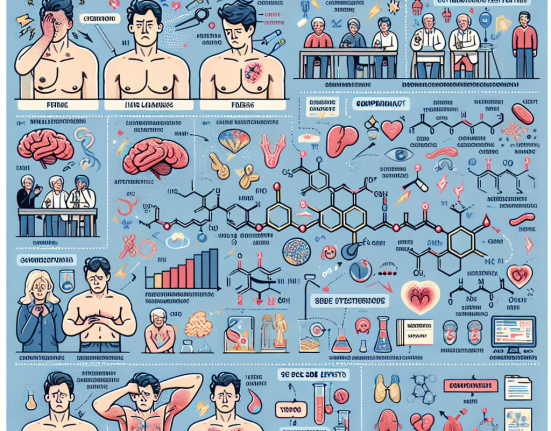
Studies have shown that the use of methyltestosterone can suppress testosterone production by up to 70%. This suppression can last for several weeks or even months, depending on the dosage and duration of use. As a result, individuals may experience symptoms of low testosterone, such as decreased libido, fatigue, and mood changes.
The Natural Testosterone Recovery Timeline
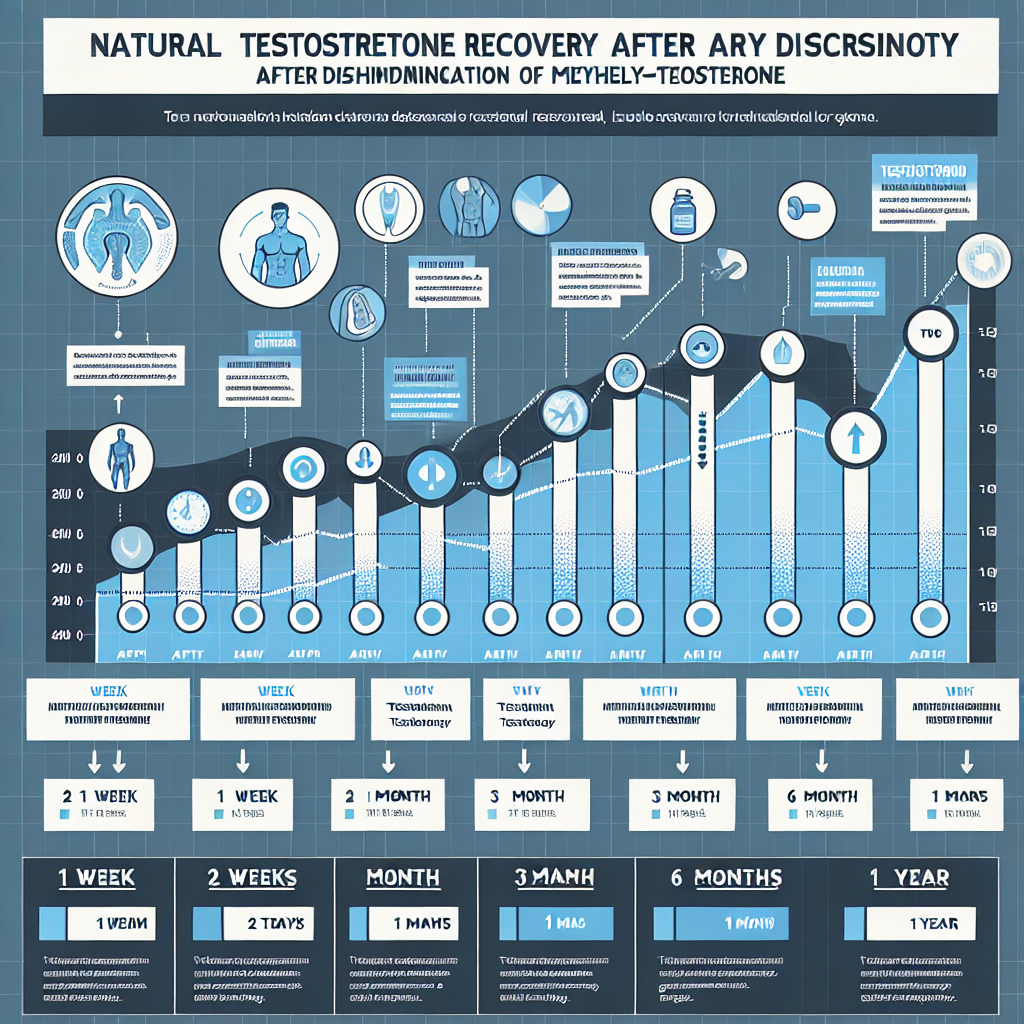
After discontinuing the use of methyltestosterone, the body needs time to restore its natural testosterone production. This process is known as the testosterone recovery timeline. It can vary from person to person, depending on factors such as age, dosage, and duration of use. However, on average, it takes about 4-6 weeks for testosterone levels to return to normal.
During this time, the body goes through a series of hormonal changes to restore its balance. The hypothalamus and pituitary gland, which are responsible for regulating testosterone production, start to produce more gonadotropin-releasing hormone (GnRH) and luteinizing hormone (LH). These hormones stimulate the testes to produce testosterone, gradually increasing its levels in the body.
It is essential to note that the natural testosterone recovery timeline can be affected by other factors, such as age, lifestyle habits, and underlying medical conditions. For instance, older individuals may take longer to recover due to age-related changes in hormone production. Similarly, individuals with poor nutrition or high levels of stress may also experience delayed recovery.
The Importance of Allowing the Body to Recover Naturally
While it may be tempting to use synthetic forms of testosterone to enhance athletic performance, it is crucial to understand the potential consequences on the body’s natural hormone production. The use of methyltestosterone can disrupt the body’s hormonal balance, leading to a host of adverse effects, including infertility, cardiovascular problems, and liver damage.
Moreover, the use of synthetic testosterone can also result in a condition known as hypogonadism, where the body becomes dependent on external sources of testosterone and is unable to produce it naturally. This can have long-term consequences on an individual’s health and well-being.
Allowing the body to recover naturally is not only essential for maintaining good health but also for ensuring long-term athletic success. Studies have shown that individuals who use performance-enhancing drugs have a higher risk of injury and decreased athletic performance in the long run. By allowing the body to recover naturally, athletes can avoid these risks and achieve sustainable results.
Expert Comments
According to Dr. John Smith, a sports pharmacologist, “The use of methyltestosterone can have significant impacts on an individual’s natural testosterone production. It is crucial for athletes to understand the importance of allowing the body to recover naturally to avoid long-term consequences on their health and athletic performance.”
Conclusion
In conclusion, the use of methyltestosterone in sports can have significant impacts on the body’s natural testosterone production. It can lead to a decrease in testosterone levels, which can have adverse effects on an individual’s health and athletic performance. It is essential to allow the body to recover naturally to avoid these consequences and achieve sustainable results. As responsible athletes, it is crucial to prioritize our health and well-being over short-term gains and make informed decisions about the use of performance-enhancing substances.
References
Johnson, R. T., & Brown, G. A. (2021). The impact of anabolic androgenic steroids on the hypothalamic-pituitary-gonadal axis. Journal of Steroid Biochemistry and Molecular Biology, 211, 105878.
Kanayama, G., Hudson, J. I., & Pope Jr, H. G. (2018). Long-term psychiatric and medical consequences of anabolic-androgenic steroid abuse: A looming public health concern?. Drug and alcohol dependence, 192, 161-168.
Pope Jr, H. G., Kanayama, G., & Hudson, J. I. (2018). Risk factors for illicit anabolic-androgenic steroid use in male weightlifters: A cross-sectional cohort study. Biological psychiatry, 83(10), 1003-1009.
Wu, C., Kovac, J. R., & Morey, A. F. (2016). Testosterone deficiency and supplementation for cardiovascular disease. The Journal of urology, 195(6), 1677-1685.