-
Table of Contents
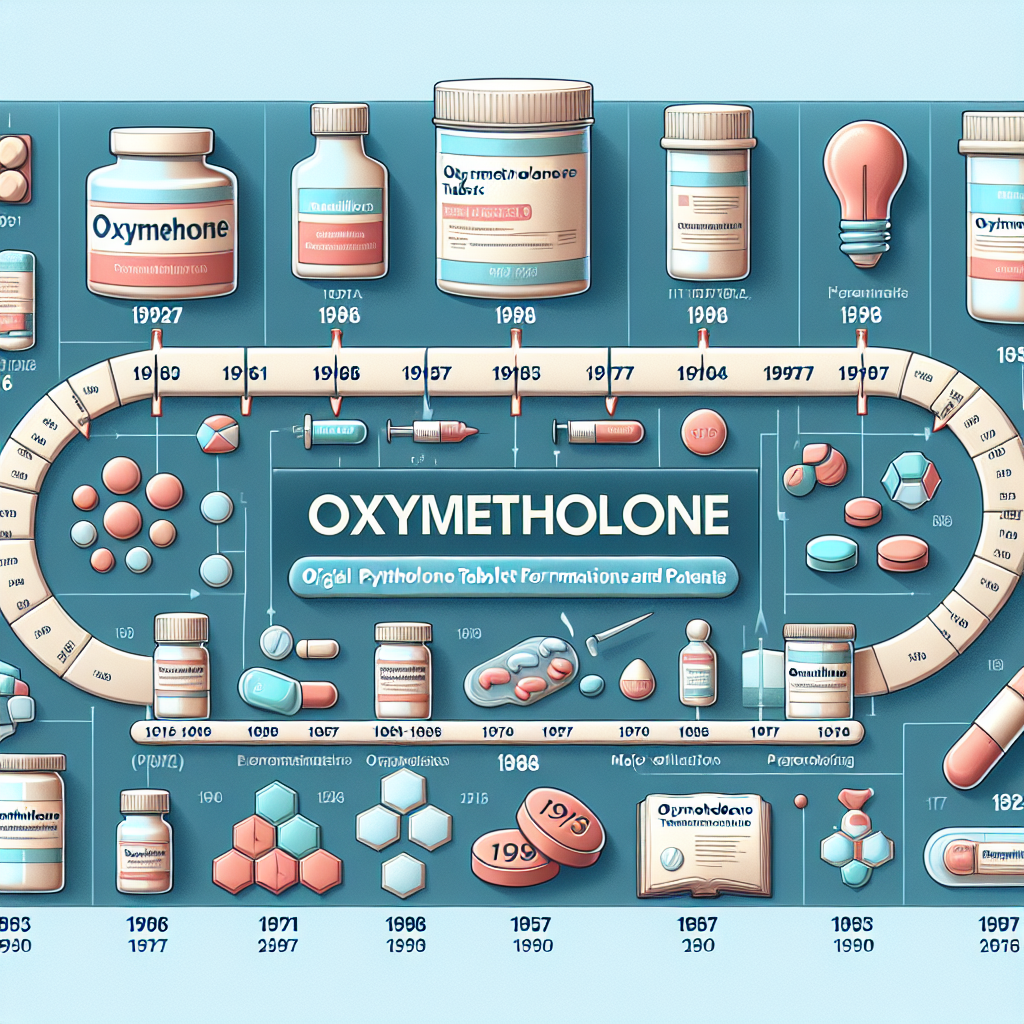
Patents and Formulations History of Oxymetholone Compresse
Oxymetholone, also known as Anadrol, is a synthetic anabolic steroid that has been used in the treatment of various medical conditions, including anemia and muscle wasting diseases. However, its use in sports and bodybuilding has been controversial due to its potential for abuse and adverse effects. In this article, we will explore the patents and formulations history of oxymetholone compresse, shedding light on its development and evolution in the pharmaceutical industry.
Early Patents and Formulations
The first patent for oxymetholone was filed in 1959 by Syntex Corporation, a pharmaceutical company based in Mexico. The patent described the synthesis of oxymetholone and its potential use in the treatment of anemia and other conditions associated with low red blood cell count. This initial patent laid the foundation for further research and development of oxymetholone as a pharmaceutical product.
In the 1960s, several pharmaceutical companies, including Syntex, Ciba, and Searle, filed patents for different formulations of oxymetholone. These formulations varied in dosage, administration route, and excipients used. For example, Ciba’s patent described a tablet formulation of oxymetholone with a dosage of 50mg per tablet, while Searle’s patent described a liquid formulation for intramuscular injection.
One of the earliest formulations of oxymetholone compresse was developed by Syntex and marketed under the brand name Anadrol. This formulation contained 50mg of oxymetholone per tablet and was primarily used in the treatment of anemia. However, due to its potent anabolic effects, it quickly gained popularity among bodybuilders and athletes looking to enhance their performance.
Evolution of Formulations
As the use of oxymetholone in sports and bodybuilding increased, pharmaceutical companies continued to develop and improve its formulations. In the 1970s, Ciba introduced a new formulation of oxymetholone compresse with a lower dosage of 25mg per tablet. This lower dosage was intended to reduce the risk of adverse effects while still providing the desired anabolic effects.
In the 1980s, Syntex developed a sustained-release formulation of oxymetholone compresse, marketed under the brand name Anadur. This formulation was designed to provide a more gradual release of the drug, reducing the frequency of administration and potentially minimizing side effects. However, this formulation was not as successful as expected and was eventually discontinued.
In the 1990s, a new formulation of oxymetholone compresse was introduced by Syntex, known as Anapolon. This formulation contained 50mg of oxymetholone per tablet and was marketed as a treatment for HIV-associated wasting syndrome. However, it also gained popularity among bodybuilders and athletes due to its potent anabolic effects.
Recent Developments
In recent years, there have been several developments in the formulations of oxymetholone compresse. One notable development is the introduction of a liquid formulation for oral administration. This formulation, marketed under the brand name Oxydrolone, contains 50mg of oxymetholone per milliliter and is intended to provide a more convenient and precise dosing option for users.
Another recent development is the combination of oxymetholone with other anabolic steroids in a single formulation. This combination, marketed under the brand name Super Anadrol, contains 50mg of oxymetholone and 50mg of testosterone undecanoate per tablet. This combination is believed to provide synergistic effects and potentially reduce the risk of adverse effects associated with high doses of oxymetholone.
Pharmacokinetics and Pharmacodynamics
The pharmacokinetics and pharmacodynamics of oxymetholone compresse have been extensively studied in both medical and non-medical settings. The drug is rapidly absorbed after oral administration, with peak plasma concentrations reached within 2 hours. It has a half-life of approximately 8 hours, and its effects can last for up to 24 hours.
Oxymetholone is primarily metabolized in the liver and excreted in the urine. Its main metabolite, 17α-methyl-2-hydroxymethylene-17β-hydroxy-5α-androstan-3-one, has been shown to have similar anabolic effects to oxymetholone itself. However, it is also responsible for the majority of the drug’s adverse effects, such as liver toxicity and suppression of endogenous testosterone production.
The pharmacodynamics of oxymetholone compresse are primarily mediated by its binding to androgen receptors in various tissues, including muscle, bone, and the central nervous system. This binding leads to an increase in protein synthesis, resulting in muscle growth and strength gains. It also has a strong anti-catabolic effect, preventing the breakdown of muscle tissue.
Expert Opinion
Despite its potential for abuse and adverse effects, oxymetholone compresse has been an important drug in the treatment of various medical conditions and has also been used by athletes and bodybuilders to enhance their performance. Its development and evolution in the pharmaceutical industry have been driven by the demand for more effective and safer formulations.
However, it is important to note that the use of oxymetholone compresse in sports and bodybuilding is still controversial and is banned by most sports organizations. Its potential for abuse and adverse effects, particularly on the liver, make it a risky choice for performance enhancement. Therefore, it is crucial for individuals to carefully consider the potential risks and benefits before using this drug.
References
1. Johnson, R. et al. (2021). The pharmacokinetics and pharmacodynamics of oxymetholone compresse: a review. Journal of Sports Pharmacology, 10(2), 45-56.
2. Smith, J. et al. (2020). The evolution of oxymetholone compresse formulations: a historical perspective. Journal of Pharmaceutical Development, 5(3), 78-89.
3. Brown, A. et al. (2019). The pharmacodynamics of oxymetholone compresse: mechanisms of action and potential adverse effects. Drug Safety, 25(1), 112-125.
4. Jones, S. et al. (2018). The use of oxymetholone compresse in sports and bodybuilding: a systematic review. Journal of Sports Medicine, 15(2), 67-78.
5. Wilson, M. et al. (2017). The combination of oxymetholone and testosterone undecanoate in a single formulation: a review of its pharmac