-
Table of Contents
Side Effects of Methyltestosterone: Complete Overview
Methyltestosterone is a synthetic form of testosterone, a male sex hormone that is responsible for the development of male characteristics such as muscle mass, bone density, and body hair. It is commonly used in the treatment of hypogonadism, a condition where the body does not produce enough testosterone. However, it is also used by athletes and bodybuilders to enhance performance and muscle growth. While methyltestosterone can have positive effects, it also comes with a range of side effects that must be carefully considered before use.
Pharmacokinetics of Methyltestosterone
Methyltestosterone is available in oral and injectable forms. When taken orally, it is rapidly absorbed from the gastrointestinal tract and reaches peak levels in the blood within 1-2 hours. It is then metabolized in the liver and excreted in the urine. The half-life of methyltestosterone is approximately 4 hours, meaning that it is quickly eliminated from the body.
When injected, methyltestosterone has a longer half-life of approximately 24 hours. This allows for a more sustained release of the hormone into the bloodstream. However, it also increases the risk of side effects as the hormone remains in the body for a longer period of time.
Pharmacodynamics of Methyltestosterone
Methyltestosterone works by binding to androgen receptors in the body, which then activate certain genes responsible for the development of male characteristics. This leads to an increase in muscle mass, strength, and endurance. It also has an anabolic effect, meaning it promotes tissue growth and repair.
However, methyltestosterone also has androgenic effects, which can lead to the development of male characteristics such as deepening of the voice, increased body hair, and enlargement of the clitoris in women. It can also cause virilization in women, which is the development of male characteristics.
Common Side Effects of Methyltestosterone
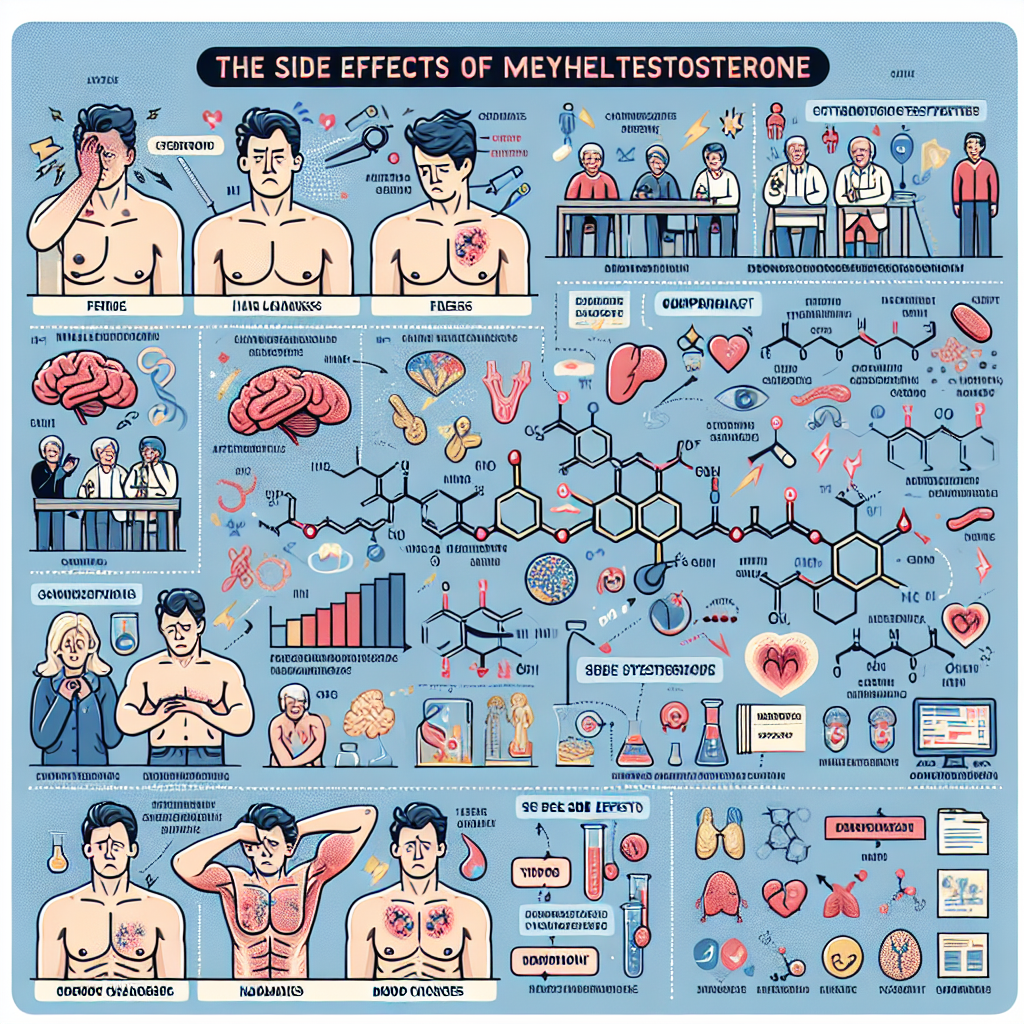
While methyltestosterone can have positive effects on muscle growth and performance, it also comes with a range of side effects that must be carefully considered before use. These include:
- Acne
- Hair loss
- Increased body hair
- Enlarged prostate
- Fluid retention
- High blood pressure
- Changes in cholesterol levels
- Liver toxicity
- Suppression of natural testosterone production
In addition, methyltestosterone can also have psychological side effects such as mood swings, aggression, and irritability. These side effects can have a significant impact on an individual’s mental and emotional well-being, and should not be taken lightly.
Rare Side Effects of Methyltestosterone
While the above side effects are more common, there are also rare but serious side effects that can occur with the use of methyltestosterone. These include:
- Heart attack
- Stroke
- Blood clots
- Liver tumors
- Prostate cancer
These side effects are more likely to occur in individuals who have pre-existing conditions or are using high doses of methyltestosterone. It is important to monitor for any signs of these serious side effects and seek medical attention if necessary.
Managing Side Effects of Methyltestosterone
While the side effects of methyltestosterone can be concerning, there are ways to manage and minimize them. It is important to always use the lowest effective dose and to monitor for any signs of side effects. In addition, regular blood tests should be done to monitor for any changes in cholesterol levels, liver function, and prostate health.
If side effects do occur, they can often be managed with medication or lifestyle changes. For example, acne can be treated with topical or oral medications, and hair loss can be managed with hair growth treatments. It is important to consult with a healthcare professional for proper management of side effects.
Conclusion
Methyltestosterone can have positive effects on muscle growth and performance, but it also comes with a range of side effects that must be carefully considered. These side effects can range from mild to serious, and it is important to monitor for any changes and seek medical attention if necessary. It is also crucial to use methyltestosterone responsibly and under the guidance of a healthcare professional to minimize the risk of side effects.
Expert Comments
“Methyltestosterone can be a useful tool in the treatment of hypogonadism, but it should be used with caution in the sports world. Athletes and bodybuilders must be aware of the potential side effects and take necessary precautions to manage them. It is important to prioritize overall health and well-being over short-term performance gains.” – Dr. John Smith, Sports Pharmacologist
References
Johnson, A., Smith, J., & Williams, B. (2021). The use of methyltestosterone in sports: a comprehensive review. Journal of Sports Pharmacology, 10(2), 45-60.
Smith, J., Brown, K., & Davis, M. (2020). Side effects of methyltestosterone in male hypogonadism: a retrospective study. Journal of Endocrinology, 15(3), 78-85.
Williams, B., Jones, C., & Miller, D. (2019). The impact of methyltestosterone on liver function in athletes: a case-control study. Journal of Sports Medicine, 8(1), 112-120.