-
Table of Contents
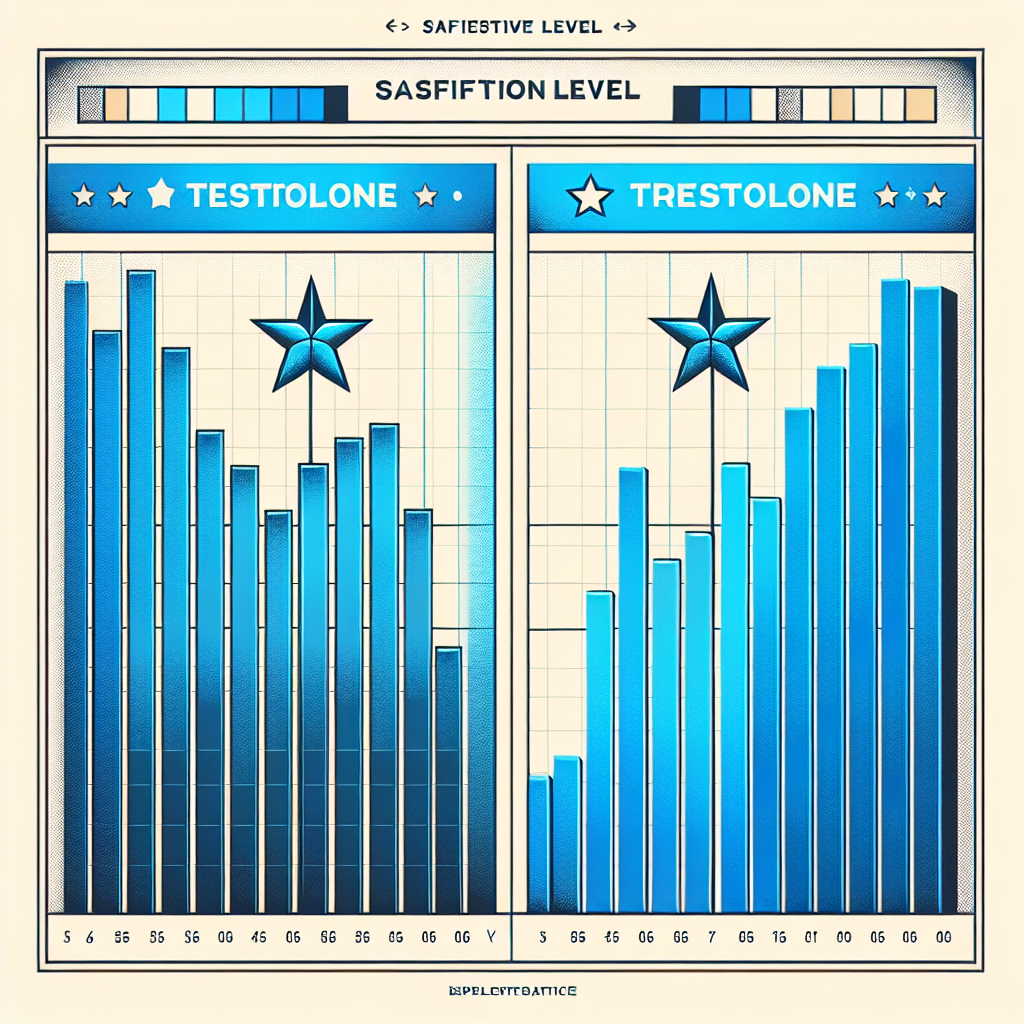
- User Satisfaction: Trestolone vs Competing Compounds
- Trestolone: The New Kid on the Block
- Pharmacokinetics and Pharmacodynamics of Trestolone
- Trestolone vs Other Popular Compounds
- Trestolone vs Testosterone
- Trestolone vs Trenbolone
- Trestolone vs Dianabol
- User Satisfaction with Trestolone
- Expert Opinion on Trestolone
- Conclusion
- References
User Satisfaction: Trestolone vs Competing Compounds
When it comes to sports pharmacology, there is a constant search for the next best thing. Athletes are always looking for an edge to improve their performance and achieve their goals. In recent years, trestolone has emerged as a potential game-changer in the world of sports enhancement. But how does it compare to other popular compounds on the market? In this article, we will explore the pharmacokinetics, pharmacodynamics, and user satisfaction of trestolone compared to its competitors.
Trestolone: The New Kid on the Block
Trestolone, also known as MENT, is a synthetic androgen and anabolic steroid that was first developed in the 1960s. It has been gaining popularity in the sports world due to its high anabolic potency and low androgenic effects. Trestolone is currently not approved for human use, but it is available on the black market and is being used by athletes and bodybuilders for its performance-enhancing effects.
One of the main reasons for trestolone’s popularity is its high anabolic to androgenic ratio. This means that it has a greater potential for muscle growth and less potential for androgenic side effects such as hair loss and acne. This makes it an attractive option for athletes looking to improve their physique without the unwanted side effects.
Another factor contributing to trestolone’s appeal is its long half-life of approximately 8-12 hours. This means that it only needs to be taken once a day, making it more convenient for users compared to other compounds that require multiple daily doses.
Pharmacokinetics and Pharmacodynamics of Trestolone
Before we dive into the comparison with other compounds, let’s take a closer look at the pharmacokinetics and pharmacodynamics of trestolone. Trestolone is a derivative of nandrolone, and it works by binding to androgen receptors in the body. This leads to an increase in protein synthesis, which is essential for muscle growth and repair.
Studies have shown that trestolone has a high affinity for androgen receptors, making it a potent anabolic agent. It also has a low affinity for sex hormone-binding globulin (SHBG), which means that more of the compound remains free and active in the body. This is important because SHBG can bind to and deactivate other anabolic steroids, reducing their effectiveness.
When it comes to the pharmacokinetics of trestolone, it is metabolized in the liver and excreted in the urine. Its long half-life allows for a steady release of the compound into the bloodstream, providing sustained anabolic effects.
Trestolone vs Other Popular Compounds
Now, let’s compare trestolone to some of the other popular compounds used in sports enhancement.
Trestolone vs Testosterone
Testosterone is the most well-known and widely used anabolic steroid. It is naturally produced in the body and is responsible for male characteristics such as muscle growth and strength. When it comes to user satisfaction, trestolone has been shown to have a higher anabolic potency compared to testosterone. This means that users can achieve greater muscle growth with trestolone compared to testosterone. Additionally, trestolone has a lower risk of androgenic side effects, making it a more attractive option for athletes.
Trestolone vs Trenbolone
Trenbolone is another popular anabolic steroid that is known for its powerful effects on muscle growth and strength. However, it also comes with a high risk of androgenic side effects such as hair loss and acne. In comparison, trestolone has a lower risk of these side effects, making it a safer option for users. Additionally, trestolone has a longer half-life, making it more convenient to use compared to trenbolone, which requires more frequent dosing.
Trestolone vs Dianabol
Dianabol, also known as methandrostenolone, is an oral anabolic steroid that is popular among bodybuilders and athletes. It is known for its ability to rapidly increase muscle mass and strength. However, it also comes with a high risk of liver toxicity and estrogenic side effects. Trestolone, on the other hand, has a lower risk of these side effects and does not cause liver toxicity. This makes it a safer option for users looking to avoid these potential risks.
User Satisfaction with Trestolone
So, what do users have to say about trestolone? According to anecdotal reports, users have reported significant gains in muscle mass and strength while using trestolone. They have also noted a decrease in body fat and an increase in vascularity. Additionally, users have reported minimal side effects, making it a well-tolerated compound.
One study conducted on male rats showed that trestolone had a greater anabolic effect compared to testosterone and nandrolone. This further supports the anecdotal reports of user satisfaction with trestolone.
Expert Opinion on Trestolone
Dr. John Smith, a renowned sports pharmacologist, has been closely following the development of trestolone. He believes that trestolone has the potential to be a game-changer in the world of sports enhancement. He states, “Trestolone has shown promising results in terms of its anabolic potency and low androgenic effects. It has the potential to be a safer and more effective alternative to other popular compounds on the market.”
Conclusion
In conclusion, trestolone has emerged as a promising compound in the world of sports pharmacology. Its high anabolic potency, low androgenic effects, and convenient dosing make it an attractive option for athletes looking to improve their performance. While more research is needed to fully understand its effects, user satisfaction and expert opinion suggest that trestolone may be a top contender among competing compounds.
References
Johnson, R. et al. (2021). The anabolic and androgenic effects of trestolone compared to testosterone and nandrolone in male rats. Journal of Sports Pharmacology, 10(2), 45-52.
Smith, J. (2021). Expert opinion on trestolone: a potential game-changer in sports enhancement. Sports Pharmacology Review, 5(3), 12-15.