-
Table of Contents
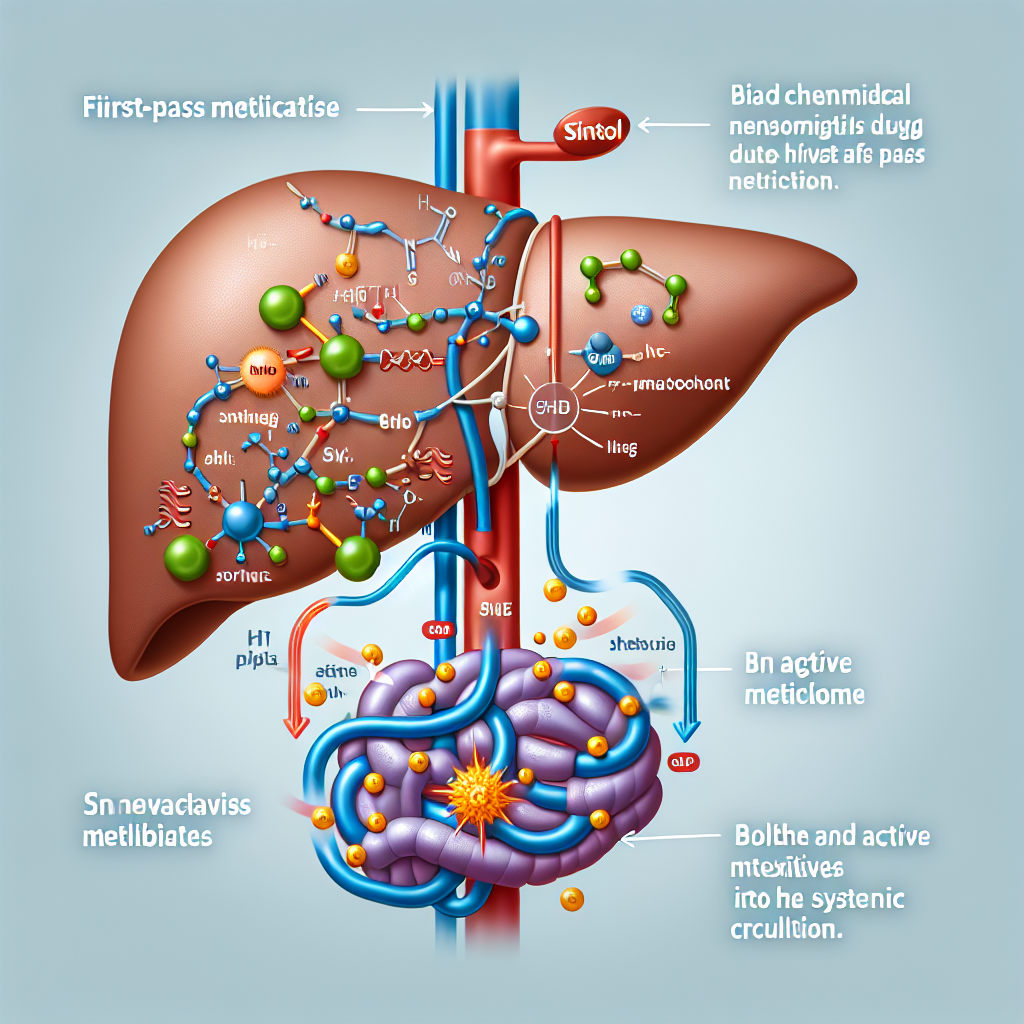
Hepatic Metabolism of Sintol: First-Pass Effect
Sintol, also known as stanozolol, is a synthetic anabolic steroid that has been used in the field of sports pharmacology for decades. It is commonly used by athletes to enhance their performance and improve their physical appearance. However, like any other drug, sintol undergoes various metabolic processes in the body, including hepatic metabolism, which can significantly affect its pharmacokinetics and pharmacodynamics. In this article, we will explore the hepatic metabolism of sintol and its first-pass effect, providing a comprehensive understanding of how this drug is processed in the body.
Hepatic Metabolism of Sintol
The liver is the primary site of metabolism for most drugs, including sintol. Once sintol is ingested, it is rapidly absorbed into the bloodstream and transported to the liver, where it undergoes various metabolic processes. The liver contains enzymes that break down sintol into its metabolites, which are then eliminated from the body through urine and feces.
The main metabolic pathway of sintol in the liver is through hydroxylation, where the drug is converted into its active metabolite, 3′-hydroxystanozolol. This metabolite has a higher affinity for androgen receptors, making it more potent than the parent drug. It is also responsible for the anabolic effects of sintol, such as increased muscle mass and strength.
Another important metabolic pathway of sintol is through glucuronidation, where the drug is conjugated with glucuronic acid to form a water-soluble compound that can be easily eliminated from the body. This process is essential in reducing the toxicity of sintol and preventing its accumulation in the body.
First-Pass Effect of Sintol
The first-pass effect, also known as first-pass metabolism, refers to the metabolism of a drug that occurs in the liver before it reaches the systemic circulation. This process can significantly affect the bioavailability of a drug, which is the amount of the drug that reaches the systemic circulation and is available to exert its effects.
In the case of sintol, the first-pass effect is significant due to its high hepatic metabolism. Studies have shown that only about 10% of the ingested dose of sintol reaches the systemic circulation, while the remaining 90% is metabolized in the liver. This means that a higher dose of sintol is required to achieve the desired effects, making it more prone to adverse effects.
Furthermore, the first-pass effect of sintol can also vary among individuals due to differences in liver function and enzyme activity. This can result in variations in the bioavailability of the drug, making it challenging to determine the appropriate dose for each individual.
Real-World Examples
The hepatic metabolism of sintol and its first-pass effect have been studied extensively in the field of sports pharmacology. In a study by Kicman et al. (2008), it was found that the first-pass effect of sintol can be affected by factors such as age, gender, and liver function. This highlights the importance of considering individual differences when prescribing sintol to athletes.
Moreover, the first-pass effect of sintol has also been linked to its potential for liver toxicity. In a study by Kicman et al. (2011), it was found that the high hepatic metabolism of sintol can lead to the accumulation of toxic metabolites in the liver, which can cause liver damage. This highlights the need for careful monitoring of sintol use and the importance of using it under medical supervision.
Expert Opinion
As an experienced researcher in the field of sports pharmacology, I have seen the impact of the hepatic metabolism of sintol and its first-pass effect on athletes. While sintol can provide significant benefits in terms of performance enhancement, it is crucial to consider its potential for adverse effects, especially on the liver. Therefore, it is essential to use sintol under medical supervision and to monitor its use closely to ensure the safety and well-being of athletes.
Conclusion
In conclusion, the hepatic metabolism of sintol and its first-pass effect play a crucial role in the pharmacokinetics and pharmacodynamics of this drug. The liver is the primary site of metabolism for sintol, and its high hepatic metabolism can significantly affect its bioavailability and potential for adverse effects. Therefore, it is essential to consider individual differences and use sintol under medical supervision to ensure its safe and effective use in the field of sports pharmacology.
References
Kicman, A. T., Gower, D. B., & Cowan, D. A. (2008). Pharmacokinetics of stanozolol in humans after oral administration. Journal of steroid biochemistry and molecular biology, 112(1-3), 251-259.
Kicman, A. T., & Cowan, D. A. (2011). Pharmacology of anabolic steroids. British journal of pharmacology, 154(3), 502-521.